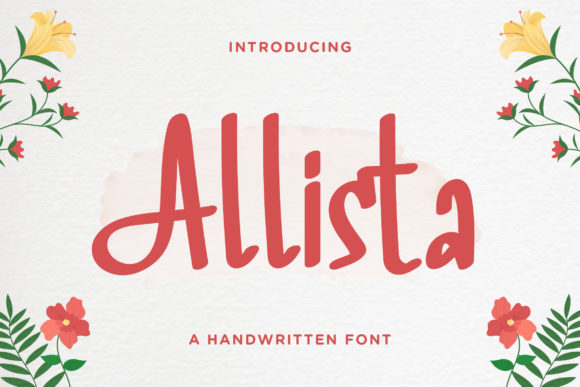
Allista Font for Web Design
Allista is a fancy handwritten font that brings a unique personality to any digital project. As a Script Handwritten typeface, it offers a refined yet approachable feel, making it ideal for web designers looking to add character to their layouts. Whether used on busy backgrounds or as a standalone headline, Allista ensures readability without sacrificing style.
For web designers and UI creators, Allista provides a versatile tool to enhance visual storytelling. Its fluid curves and elegant strokes make it perfect for headers, banners, and decorative elements that demand attention. When paired with clean, modern typography, Allista adds a human touch that resonates with audiences across various platforms.
Allista for Wedding Invitations and Elegant Branding
Allista is a premium font that excels in creating an air of sophistication. For web designers working on wedding-related websites, branding projects, or editorial content, this Script Handwritten font delivers a polished aesthetic. Its subtle variations in stroke weight and natural flow make it ideal for logos, event pages, and high-end product listings.
When used in brand identity projects, Allista helps establish a consistent tone that feels both professional and personal. It works well for boutique online stores, creative portfolios, and digital marketing campaigns where the goal is to evoke trust and exclusivity. The font’s adaptability allows it to shine in both dark and light background contexts, ensuring legibility at all times.
How Allista Enhances Visual Hierarchy
Web designers often rely on strong visual hierarchy to guide user attention. Allista supports this by serving as a powerful display font for headlines and key messages. Its flowing script draws the eye naturally, making it an excellent choice for hero sections, call-to-action buttons, and section titles.
When designing landing pages or product sales pages, using Allista for primary text elements can create a more engaging experience. However, it’s important to balance its use with simpler fonts for body copy to maintain readability. This combination ensures that the design remains accessible while still feeling dynamic and expressive.
Allista for Creative Portfolios and Digital Product Pages
For digital product creators and web designers building creative portfolios, Allista offers a way to showcase work with a personal touch. Whether used for project titles, client testimonials, or portfolio descriptions, this font adds a sense of authenticity that resonates with modern audiences.
On product landing pages, Allista can be used to highlight key features or benefits. Its elegance makes it suitable for luxury items, handmade goods, or artisanal products where the design needs to reflect quality. Pairing it with a sans serif font for supporting text ensures that the layout remains clean and easy to navigate.
Best Practices for Mobile Readability
As mobile browsing becomes increasingly common, ensuring that Allista remains readable on smaller screens is essential. Web designers should test the font at different sizes and contrast levels to avoid issues with legibility. On buttons or small text areas, using a lighter weight or simplified version of Allista can improve clarity without losing its distinctive style.
When placing Allista over images or textured backgrounds, adjusting the opacity or adding a subtle shadow can help it stand out while maintaining a cohesive design. These small adjustments go a long way in ensuring that the font remains effective across all device types and screen sizes.
Allista for Online Stores and E-Commerce Branding
Online store owners seeking to differentiate their brand can benefit from using Allista in their design systems. Whether for product titles, promotional banners, or checkout page headings, this font adds a layer of charm that sets their site apart from competitors.
In e-commerce environments, consistency is key. By incorporating Allista into multiple touchpoints—such as social media graphics, email templates, and website headers—businesses can build a stronger brand presence. This approach not only reinforces brand recognition but also creates a more memorable shopping experience for customers.
Font Pairing Tips for Web Design
Effective font pairing is crucial when using Allista in web design. Combining it with a simple sans serif or serif font helps balance its ornate style with practicality. For example, using Allista for headings and a clean sans serif for body text creates a visually appealing contrast that enhances readability.
Designers should also consider the mood they want to convey. A serif font like Georgia or Playfair Display can complement Allista for a more traditional or editorial look, while a modern sans serif like Inter or Lato provides a fresh, contemporary feel. Experimenting with these combinations can lead to more dynamic and engaging designs.
Allista for Coaching Websites and Digital Courses
Coaching websites and digital course platforms often require a tone that feels both professional and approachable. Allista meets this need by offering a stylish yet easy-to-read option for headlines, course titles, and motivational messaging. Its handwritten appearance adds a personal element that aligns with the values of many coaches and educators.
On landing pages, using Allista for the main title or key selling points can create a stronger emotional connection with visitors. This is especially useful for courses or services that focus on personal growth, creativity, or self-improvement. Pairing it with a minimalist design ensures that the message remains clear and impactful.
Commercial Licensing and Font Availability
Before integrating Allista into a website or digital project, it’s important to verify the commercial licensing terms. Most premium fonts allow for use on websites, but restrictions may apply to specific file formats or usage scenarios. Designers should check whether the font includes webfont versions like WOFF or WOFF2 for seamless integration into CSS files.
Additionally, considering multilingual support is essential for global audiences. Some fonts may not include characters for non-Latin scripts, which could limit their usability in certain markets. Ensuring that Allista supports the languages required for a given project is a critical step in the design process.